What My Spin Class Taught Me About Email Marketing
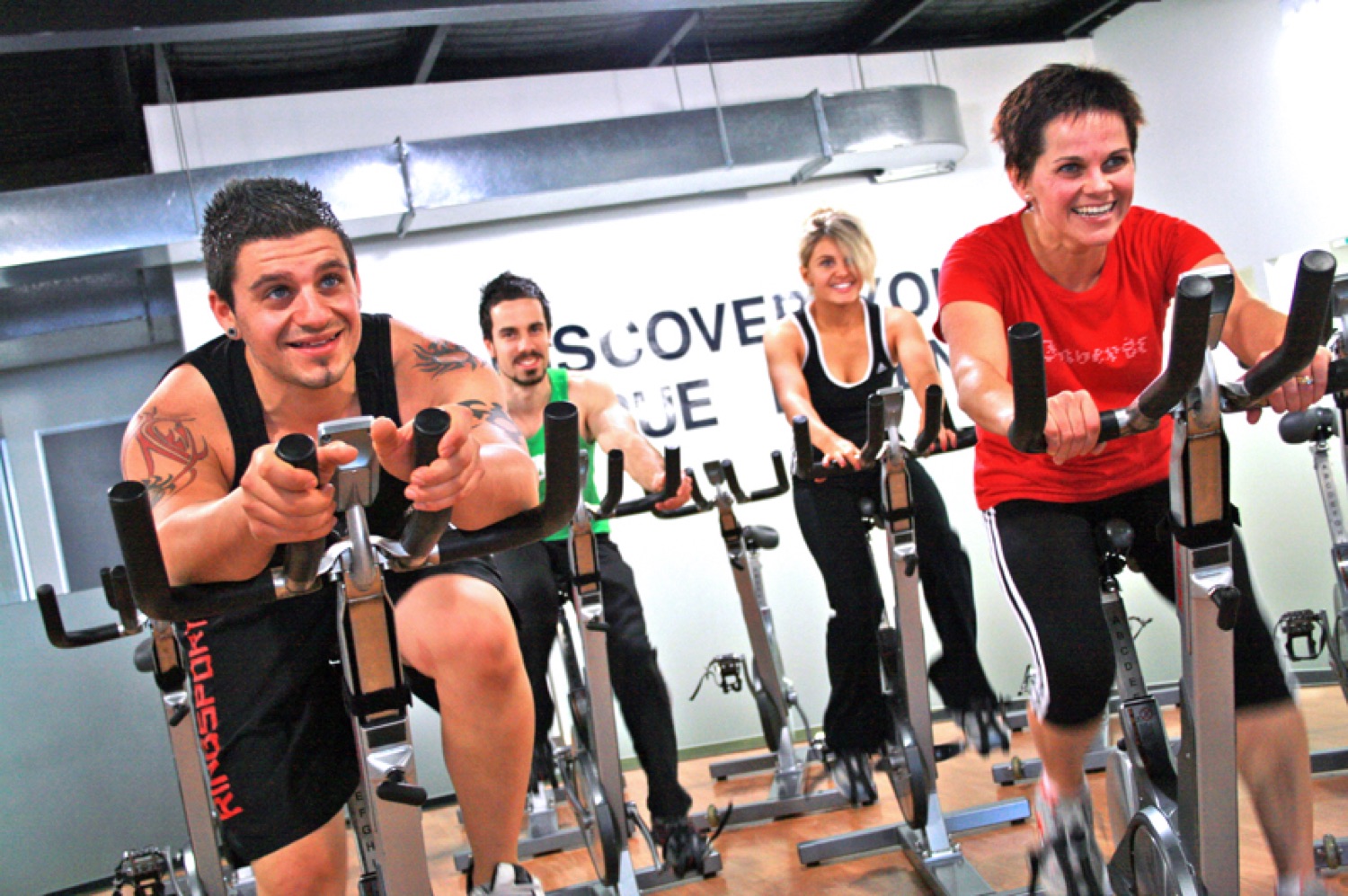
An indoor cycling class can push you so hard you feel slightly sick. The reason is rarely the resistance; it is the cadence. Push the pace too high for too long and people drop out. That is also the best short explanation of email frequency we know.
Open your inbox after a few days away and see dozens of messages from the same sender, and you feel the same queasiness. So how do you find the right send frequency, and have you actually tested your assumptions?
Match frequency to the decision cycle
There is no universal answer, but there is a governing principle: synchronise email delivery with the psychology of the buyer's purchase cycle. Several factors shape that cycle: how long the decision takes, how useful and relevant the message is, the nature of the product and what is normal in the industry.
A widely discussed experiment by the research group MarketingExperiments segmented a large subscriber list and tested frequencies from once every three weeks to every two days. Revenue rose with frequency, and unsubscribes rose too, but not fast enough to cancel out the extra revenue. So high frequency has its place. The catch is that the product in that test had a short decision cycle. The shorter the cycle, the higher the frequency it can bear.
| Decision cycle | Example | Sensible starting cadence |
|---|---|---|
| Hours to days | E-card before a friend's birthday; a bet on tonight's match | Several per week, tied to events |
| Weeks | Conference ticket, small software subscription | Weekly |
| Months | Accounting platform, marketing automation system | Every two to four weeks, plus triggered messages |
| Quarters or years | Enterprise infrastructure, casino platform contract | Monthly, with behaviour-based acceleration |
Sportsbooks: the extreme end of the cadence curve
If you want to see a short decision cycle pushed to its limit, look at a sportsbook's CRM calendar. A football fan's "decision" can recur every weekend and several times during a big tournament. Operators therefore send messages timed to fixtures: a preview before kick-off, an in-play prompt, a results summary. For a casino customer the rhythm is different again, often linked to new game releases or the time of day the player usually logs in.
Even there, frequency is not unlimited. Betting operators watch unsubscribe and complaint rates closely, and in regulated markets they must respect each customer's marketing preferences by product and channel. The best teams use triggers rather than blasts, so cadence follows the customer's own behaviour. We describe how in marketing automation for betting operators. A B2B nurture programme can borrow the same idea: a steady base rhythm, plus extra messages only when a buyer's behaviour signals a live decision.
Test it
- Split a segment into two or three cadence groups and run the test long enough to cover a full decision cycle.
- Measure revenue or pipeline per subscriber, not just opens and clicks.
- Watch unsubscribes and spam complaints as a cost, not a verdict.
- Re-test after any big change in content, audience or offer.
Value raises tolerance
Why do people stay in a hard spin class? Because they get more workout for their time. People tolerate a faster cadence when each message is worth reading. Valuable, relevant content improves engagement, deliverability and relevance all at once, which is why cadence and nurturing content have to be designed together.
Related reading