Seed Nurturing? Not Unless You're Walt Whitman
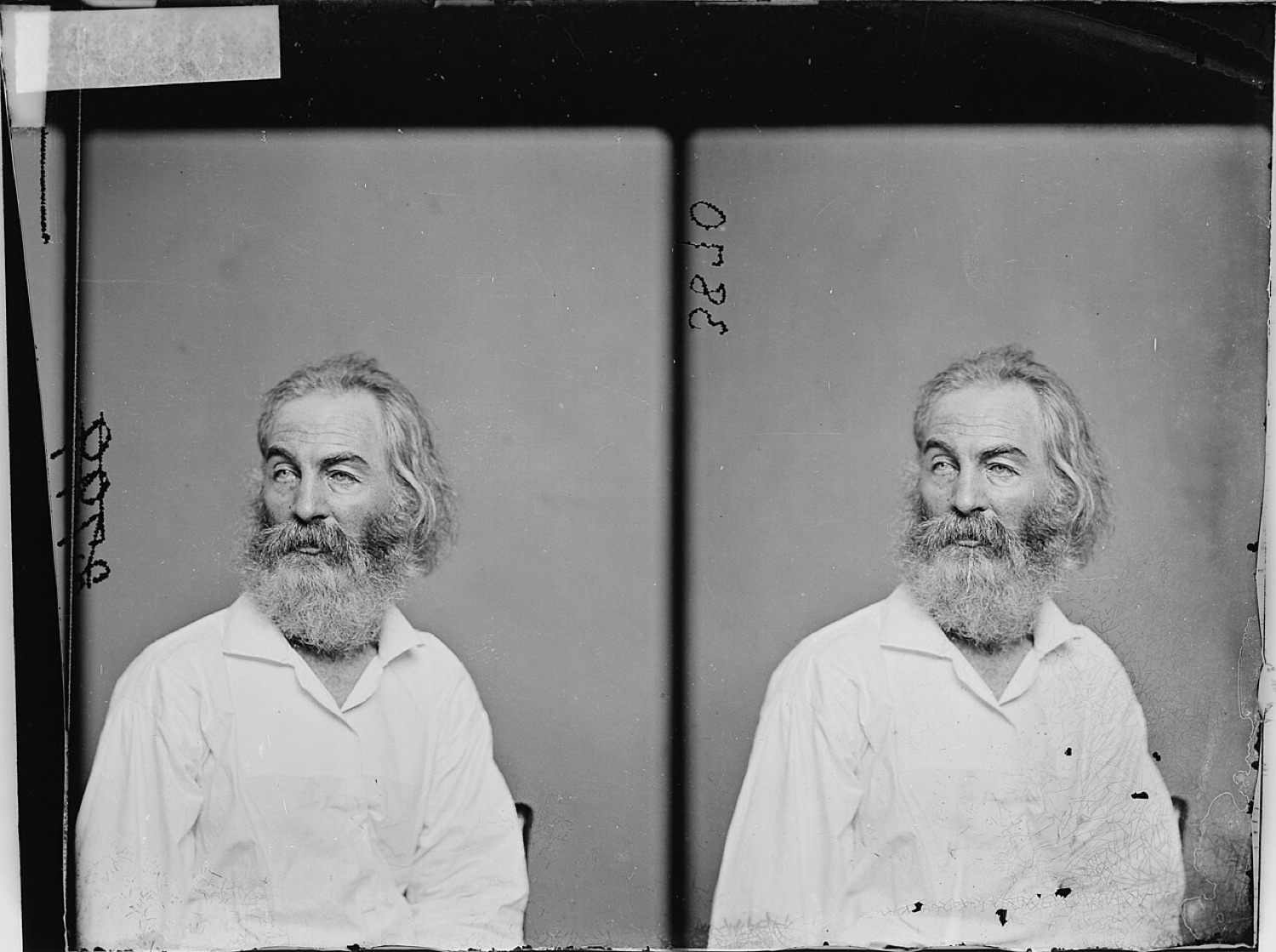
A column we read in 2010 urged B2B marketers to "seed" their best content on social sites with no registration at all, on the theory that anonymous readers would build rapport and later return as inbound leads. It sounded generous. It also ran against what marketing automation is designed to do.
The debate about gated and ungated content has never gone away. This post, updated for 2026, still takes the same side: give generously, but do not give away your best assets without learning who is reading them.
Good content is expensive
Lack of valuable content is one of the biggest roadblocks to a successful nurturing programme. A solid white paper or research report can cost thousands of dollars to produce, and a customised case study or benchmark study several times that. Most companies have only a handful of truly strong pieces. Releasing all of them anonymously means you cannot use them to start a dialogue with a known person whom sales can eventually call. We look at the economics in Content Is Expensive, and Other Obvious Facts.
Hoping is not a strategy
The argument for total openness is that anonymous readers will "likely" come back when they are ready. Perhaps. But while you wait, a competitor is sending relevant, well-timed messages, and possibly making sales calls, to the people who did register with them. And if you do not know who your readers are, you cannot help increase their interest. You leave the buyer's education to chance, or worse, to your competitor.
Walt Whitman could afford to scatter seeds
Whitman could scatter verses to the wind and trust that readers would find them over generations. A B2B marketer with a quarterly pipeline target cannot. The practical answer is to use content as lead bait: publish a meaningful portion openly, in the places your buyers already gather, and make the full asset available in exchange for a name and an email address. If the free part is genuinely educational and the value of the rest is clear, most serious buyers will happily register.
A gating rule of thumb for 2026
- Ungated
- Blog posts, short guides, summaries, calculators that need no data
- Lightly gated
- Full reports, templates, benchmark data: email address only
- Progressively profiled
- Second and third downloads ask one or two new questions each time
- Never gated
- Pricing basics, product documentation, anything sales would send anyway
The casino affiliate counter-example
There is one industry where giving everything away openly is the business model, and it is worth understanding why it works there. Casino and sportsbook affiliate sites publish long, ungated reviews, bonus comparisons and strategy guides. They never ask for an email address. They are paid when a reader clicks through to an operator, registers and deposits, either as a one-off CPA or as a share of the revenue that player generates. The "registration" simply happens on someone else's site, and the tracking link is the gate.
That model works because the conversion event is immediate and measurable, and because the affiliate's content sits at the very end of a short decision cycle. A B2B software purchase takes months and involves a committee; there is no tracking link that pays out at the end. So the affiliate example proves the point rather than refuting it: openness pays when you can still identify the conversion. See how CPA and revenue-share deals work in iGaming for the full economics, and why brand-agnostic content builds trust for the other half of the argument.
What buyers actually object to
None of us, as buyers, wants sales junk from companies whose products do not interest us. Valuable content about things we care about is a different matter, and most people are willing to keep receiving it as long as it stays valuable. Gate wisely, then earn the permission you were given.
Related reading